


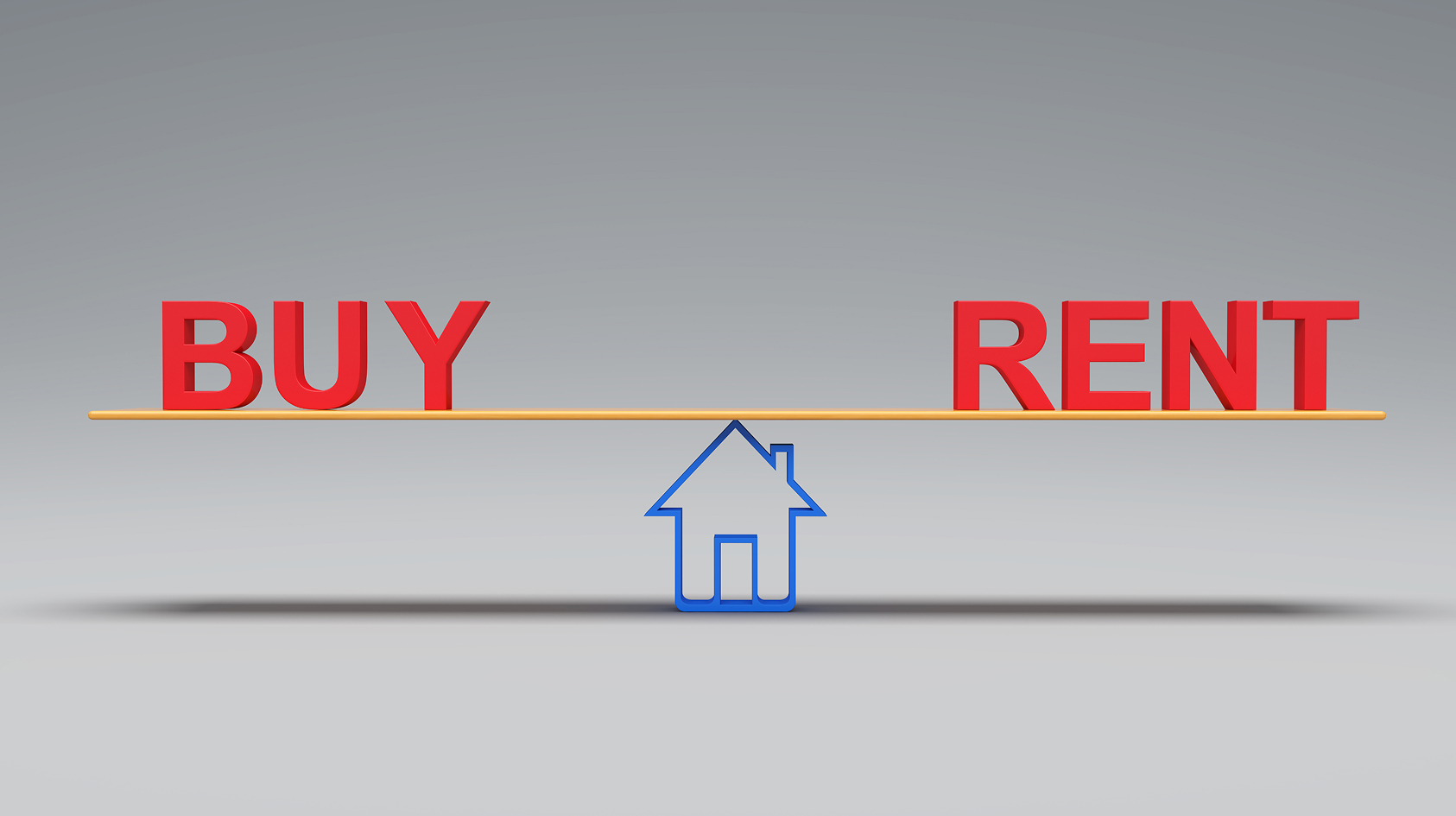
For many business owners, renting their premises is an expense they have always had and one they rarely question. The rent goes out every month, the business carries on and that's that. But after years of paying a landlord, it is reasonable to start wondering whether that money could be going towards a property the business owns.
Buying commercial premises can be a significant investment, particularly for an established business with plans to stay in the same location. It can also tie up a considerable amount of capital that might be better used elsewhere.
So, while a commercial property mortgage could make ownership possible, deciding whether to buy requires a closer look at what the business stands to gain and what it would be taking on.
The flexibility of renting has its value
There are good reasons why businesses choose to rent, even when they could potentially afford to buy.
For a growing company, committing to a property can be difficult when future space requirements are uncertain. A business that needs a small office today could find itself looking for something considerably larger in a few years.
Renting can make it easier to adapt, although much depends on the length and terms of the lease. A long lease with limited break options can be restrictive in its own right.
There's also the question of capital.
Purchasing commercial property usually requires a substantial deposit, whereas renting typically leaves more money available to invest in the business.
That can be particularly important when a company is looking to expand or needs to maintain a healthy level of working capital.
Of course, renting has its drawbacks.
Rent reviews can increase costs over time, and a landlord's decision not to renew a lease could leave a business needing to find new premises. For companies that rely heavily on their location, that uncertainty can be difficult to manage.
And while rent is a necessary business expense, those payments won't build any ownership in the property.
What changes when a business owns its premises?
One of the main attractions of buying is that mortgage repayments can gradually build equity in an asset.
Rather than paying rent indefinitely, a business with a repayment mortgage reduces the amount it owes over time. Depending on the property market, the premises may also increase in value.
There are other practical advantages.
A business that owns its premises has greater control over how the property is used, subject to planning requirements and any restrictions attached to the building.
For a manufacturer that needs specialist equipment installed, for example, ownership may make it easier to justify investing in the premises.
The same could apply to a business that has spent years building a customer base around a particular location.
However, property ownership brings responsibilities that tenants may not face to the same extent.
Repairs and maintenance become the owner's responsibility, and unexpected costs can be significant. Commercial property values can also fall, which may affect the business if it needs to sell or refinance.
Buying therefore needs to be considered as a long-term commitment rather than simply an alternative way of paying for somewhere to work.
Is buying really cheaper than renting?
This is where the numbers become particularly important.
Imagine a business paying £3,000 a month to rent its premises. That's £36,000 a year before any rent increases.
If the same property were available to purchase for £500,000, the business might consider funding the purchase with a commercial mortgage.
With a 30% deposit, it would need to borrow £350,000.
Assuming an illustrative interest rate of 7% over 20 years on a capital repayment basis, the monthly mortgage payment would be approximately £2,714.
On those figures, the mortgage repayment would be lower than the existing rent.
But that doesn't necessarily mean buying is cheaper.
The business would need to find £150,000 for the deposit, as well as covering legal fees and valuation costs. Property transaction taxes may also apply.
It would also need to account for ongoing maintenance and other ownership expenses.
Perhaps the biggest consideration is what else the business could do with that £150,000.
If investing the money in additional equipment or business expansion could generate a stronger return, keeping it tied up in property may not be the most sensible use of available funds.
Equally, a business with healthy cash reserves and relatively stable premises requirements might see ownership as a way to reduce its reliance on a landlord while building an asset over time.
The comparison needs to reflect the financial position of the business rather than the mortgage repayment alone.
What about commercial mortgage rates?
Unlike residential mortgages, where you can usually get a reasonable idea of the rates available before applying, commercial mortgage pricing is much more dependent on the individual business and the property it's buying.
A lender will want to see that the business can comfortably afford the repayments, so its trading history and financial performance will have a bearing on the rate offered. How much the business can put down as a deposit also comes into it, as does the type of property being purchased.
This makes comparing commercial mortgage rates in the UK a little less straightforward. Two businesses borrowing the same amount could end up with quite different offers, and the cheapest rate on paper won't always work out as the cheapest option overall.
It's worth looking at the fees and any early repayment charges too, especially if there's a chance the business might move or want to refinance in a few years. And while a fixed rate can make budgeting easier, a variable rate means repayments could change over time.
Getting a clear idea of the total cost of borrowing is far more useful than comparing interest rates alone.
Thinking beyond the purchase
One question worth considering is how long the business expects to remain in the property.
Buying may make sense for a company that has operated successfully from the same premises for years and expects to remain there.
The position is less straightforward for a business anticipating significant growth or a possible relocation.
Commercial property can take time to sell, and the costs involved in buying and selling can make short-term ownership expensive.
There may be an option to retain the property as an investment and rent it to another business, although this would depend on the mortgage terms and the lender's agreement.
It's also worth thinking about how the business would cope if trading conditions changed.
A mortgage is a continuing financial commitment. If revenue falls, the repayments still need to be made.
Renting carries its own contractual obligations, but ownership can introduce additional financial exposure, particularly where the property represents a substantial proportion of the business's assets.
Before committing to a purchase, it's sensible to assess whether the business could comfortably manage the mortgage during a quieter trading period.
When does a commercial mortgage make sense?
For an established business with stable income and a clear intention to remain in its premises, buying can be worth serious consideration.
A commercial property mortgage can provide a way to spread the purchase cost over a longer period while allowing the business to build equity.
But ownership won't suit every company.
Businesses that need flexibility or would benefit more from investing their capital elsewhere may find that renting continues to serve them well.
The important part is understanding what the decision means for the business financially, both now and over the coming years.
Commercial Mortgages from Phoenix Commercial Finance
At Phoenix Commercial Finance, we help business owners explore commercial mortgage options and understand how different lenders assess applications.
If you are considering buying your business premises, we can look at the funding available and help you work out whether a commercial mortgage is a suitable option for your plans.
If you would like a no-obligation conversation about what is available to you right now, chat with us on WhatsApp or fill in our no-obligation quick enquiry form and a member of the team will be in touch with you shortly.